Why Smart Homeowners Book Fall Tree Work in the Summer
The Best Time to Do Something About Your Trees Is Before Everyone Else Decides To
Here’s a pattern that plays out every year: fall arrives, the weather cools off, people start looking up at their trees, and suddenly the phone is busy. Schedules fill up. Lead times stretch. The job that could have happened in October gets pushed to December or later.
Fall is genuinely one of the best seasons for a lot of tree work in the Chattanooga area — removal, pruning, and structural work are all well-timed when trees are heading into dormancy. Which means it’s also the season everyone calls at the same time.
The homeowners who get the best availability, the most flexibility, and often better pricing are the ones who thought about this in July and August — before it became urgent for everyone.
Why Fall Is Good for Tree Work
Trees are heading into dormancy. As temperatures drop and trees slow their growth cycle, pruning wounds heal more cleanly, there’s less sap flow, and the tree isn’t fighting to push new growth at the same time it’s recovering from a cut. This is especially relevant for species that are prone to disease entry through pruning wounds in active growing season.
The ground firms up. After a wet spring and humid summer, fall typically brings drier conditions and firmer soil. That matters for equipment access — especially for jobs where a larger tree close to a structure requires precise work.
You can see structure better. As leaves start to drop, the architecture of the tree becomes visible again. This makes it easier to assess what needs to come out, what needs shaping, and what the overall structure looks like.
It’s a natural prep window for winter. Any structural issues, dead wood, or compromised branches that survived the summer are better dealt with before the first significant ice or wind event of the season.
What’s Worth Planning Now
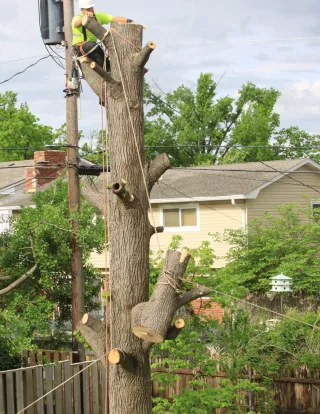
Tree removal — if you’ve got a tree that needs to come down, fall is a great time. Trees are easier to work around without full foliage, debris management is simpler, and the root system is less actively pushing water, which can actually simplify some removal logistics.
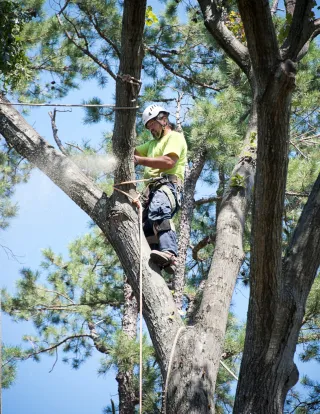
Structural pruning — late fall and early winter are ideal for significant pruning work. Planning this now means when the window opens, your job is already on the calendar.
Post-storm assessment — if your trees went through a rough spring and you haven’t had them looked at, scheduling an assessment now sets you up to address anything concerning before fall storm activity picks up.
Stump grinding — stumps don’t care what season it is, but fall is a nice time to knock this out before the yard goes dormant and before you’re dealing with leaf cover over everything.
The Cost Side of This
Emergency tree work — responding to something that’s already failed, or rushing a job that became urgent — costs more than planned work. The premium isn’t unfair; it reflects the reality of mobilizing quickly and often working in less-than-ideal conditions.
Planned fall work booked in advance is just a scheduled job. Same crew, same quality, but no urgency surcharge and much more flexibility on timing. If your budget has any flexibility in it at all, the least expensive version of tree work is almost always the one you planned for.
What to Do Right Now
You don’t have to have everything figured out to get the process started. A few things worth doing this month:
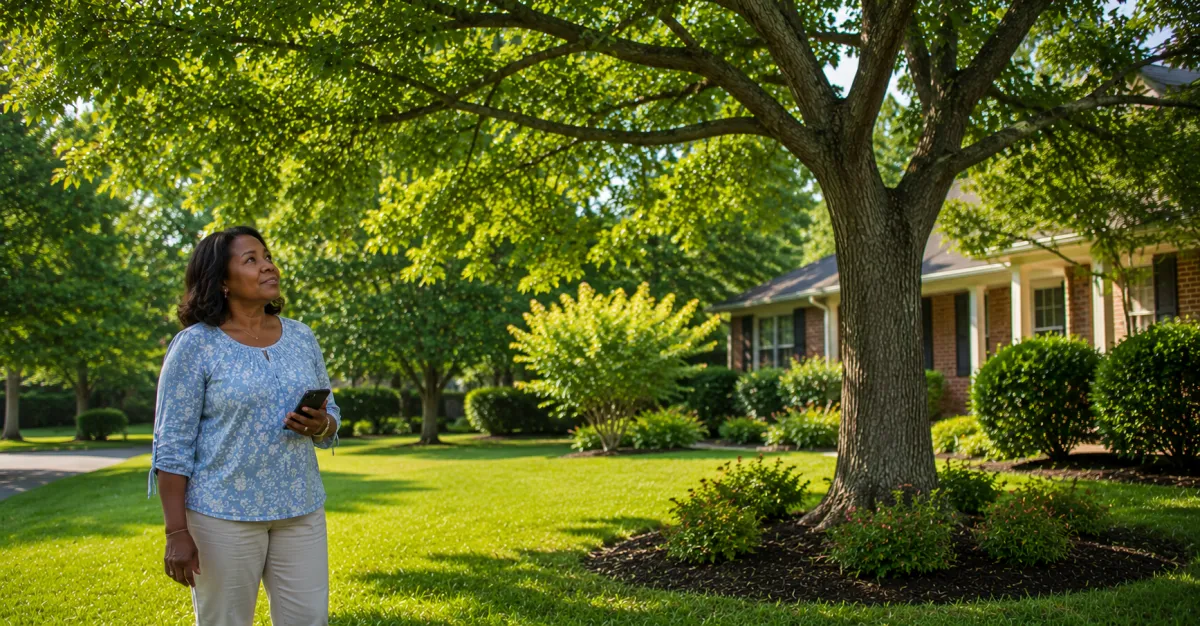
Walk your property and make a mental list of trees you’ve been meaning to do something about
Note anything that gave you pause after the spring storms
Think about what you’d want done before next spring
Then give us a call. We can do an estimate now, talk through what makes sense to prioritize, and get you on the schedule for fall. No pressure — just good planning.
(423) 443-4533 — call or text, whatever works for you.