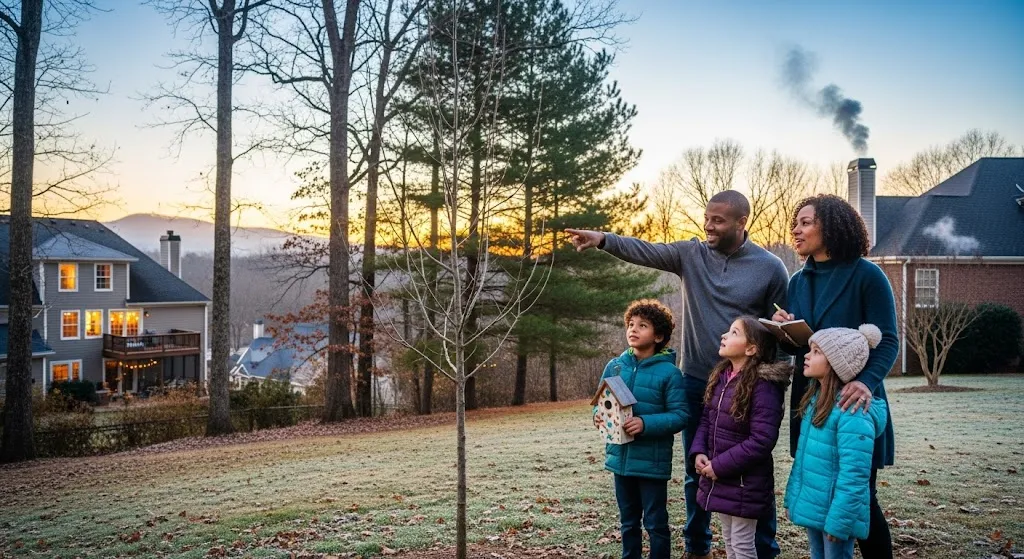
New Year, Healthier Trees: Setting Up Your Property for Success
A new year is a perfect time to take a fresh look at your trees and commit to better care practices. Most tree problems develop slowly, and most tree successes come from consistent, thoughtful care over time. If you've been reactive about tree care – dealing with problems as they become urgent – this is a good time to shift toward proactive management that prevents problems and maintains healthier trees.
Small changes in how you approach tree care can make a big difference in long-term results and costs.
Starting with Assessment
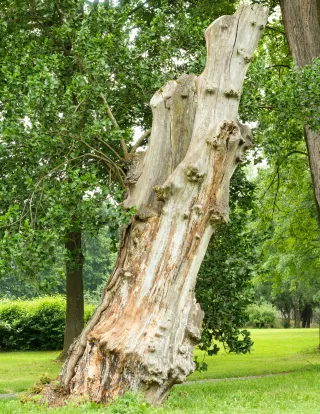
Look at your trees with fresh eyes. Winter is ideal for this because tree structure is visible and problems are apparent. Walk your property and really observe what you have – the good, the concerning, and the questionable.
Document current conditions with photos. You'll be surprised how helpful "before" pictures are for tracking changes and planning improvements. Note things like:
Tree species and approximate ages
Overall health and condition
Structural problems or concerns
Previous damage or maintenance
Relationship to structures and utilities
Identify your priorities – which trees are most important to your property, which pose the greatest risks, and which offer the most potential for improvement.
Setting Realistic Tree Care Goals
Focus on prevention rather than reaction. Healthy trees cost less to maintain and cause fewer problems than stressed or declining trees.
Good goals for tree health:
Address obvious safety hazards before they become emergencies
Maintain consistent care rather than neglecting trees until problems develop
Invest in young tree establishment for long-term benefits
Plan maintenance for optimal timing rather than crisis scheduling
Avoid unrealistic expectations like expecting instant results from tree care or thinking that expensive treatments can reverse years of neglect immediately.
Creating Better Tree Care Habits
Regular observation – make it a habit to really look at your trees periodically, not just when problems are obvious.
Seasonal awareness – understand that trees have different needs throughout the year and plan accordingly.
Proper watering practices – deep, infrequent watering works better than frequent shallow watering for most trees.
Mulching maintenance – keep appropriate mulch around trees but refresh it as needed and avoid piling it against trunks.
Budget Planning for Tree Health
Annual tree care budgets work better than trying to handle everything at once or waiting for crises.
Typical annual tree care investments:
$100-300 for professional assessment and consultation
$200-500 per mature tree for routine maintenance
$500-2000 for major treatments or structural work
$1500-5000+ for removals when necessary
Cost-effective strategies:
Bundle multiple trees for more efficient service
Schedule work during optimal timing for better results and pricing
Address problems early before they become expensive emergencies
Invest in prevention rather than paying for crisis management
Professional Relationship Building
Establish relationships with reliable tree professionals before you need emergency services. Good tree care is about relationships, not just transactions.
Look for:
Certified arborists with proper credentials and insurance
Companies that emphasize tree health rather than just removal
Professionals who explain what they're seeing and why they recommend specific approaches
Services that offer ongoing maintenance rather than just one-time fixes
Avoid:
Door-to-door solicitors offering to "trim trees cheap"
Companies that can't provide proper licensing and insurance
Services that push immediate work without proper assessment
Anyone who suggests topping trees or other harmful practices
Young Tree Investment Strategy
Newly planted trees offer the best return on investment for tree care because proper establishment prevents expensive problems later.
Young tree priorities:
Proper planting depth and location
Consistent watering during establishment
Structural pruning to develop good form
Protection from damage during vulnerable years
Mulching and weed control to reduce competition
Long-term thinking: Money spent on young tree care often prevents much larger expenses as trees mature.
Mature Tree Preservation
Established trees represent significant investments that are worth maintaining properly. Large, healthy trees add substantial value to properties.
Mature tree care focus:
Regular health assessment to catch problems early
Structural maintenance to prevent hazardous conditions
Soil and root care to maintain tree vitality
Pest and disease monitoring for early intervention
Storm preparation to minimize weather damage
Problem Prevention Strategies
Most tree problems are preventable with proper care and attention. Prevention costs much less than treatment or emergency response.
Common preventable problems:
Root damage from construction or soil compaction
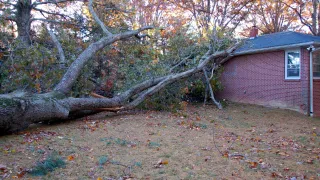
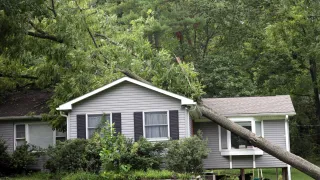
Storm damage from poor structure or neglected maintenance
Disease problems from stressed trees or poor growing conditions
Pest infestations that establish on weakened trees
Prevention approaches:
Maintain tree health through proper watering, mulching, and soil care
Address structural problems before they become hazardous
Monitor for early signs of pest or disease problems
Plan property changes to minimize tree damage
Seasonal Planning for Better Results
Different seasons offer different opportunities for tree care, and timing can significantly affect results and costs.
Winter: Structural pruning, major removals, planning and assessment Spring: Health assessment, pest prevention, soil care Summer: Monitoring, watering, minor maintenance
Fall: Preparation for winter, cleanup, major work planning
Planning ahead allows you to take advantage of optimal timing rather than reacting to urgent situations.
Technology and Tools for Better Tree Care
Simple tools can help you provide better tree care:
Soil moisture meter to avoid overwatering or underwatering
Basic camera for documenting tree conditions and changes
Calendar reminders for seasonal maintenance tasks
Weather monitoring to plan watering and maintenance timing
Professional tools like soil testing, tree health assessment, and pest monitoring are available through tree care services.
Sustainable Tree Care Practices
Long-term tree health depends on sustainable practices that work with natural systems rather than against them.
Sustainable approaches:
Native species selection for new plantings
Organic soil improvement rather than chemical dependence
Water conservation through proper mulching and efficient irrigation
Integrated pest management rather than routine pesticide applications
Natural pruning that works with tree biology
Community and Neighborhood Considerations
Trees affect entire neighborhoods, and coordinated tree care often works better than individual property management.
Community benefits:
Shared expertise and experience among neighbors
Coordinated pest and disease management
Bulk purchasing of tree care services
Consistent property values through good tree care
Setting Up Systems for Success
Create routines that make good tree care automatic rather than something you have to remember to do.
Effective systems:
Seasonal reminders for maintenance tasks
Annual professional consultations for expert assessment
Budget planning that spreads costs across seasons
Documentation habits that help you track tree health over time
Realistic Expectations and Timeline
Tree care results develop slowly. Most improvements take months or years to become obvious, and most problems develop gradually.
Realistic timeline expectations:
Immediate safety improvements from hazard removal
6-12 months for response to major treatments or pruning
2-5 years for structural improvements to become established
5-10 years for major health improvements or recovery from stress
Measuring Success
Good tree care shows up in:
Fewer emergency situations and crisis calls
Better tree appearance and health over time
Lower long-term costs through prevention rather than crisis management
Enhanced property value and enjoyment
Track your progress through photos, maintenance records, and observations over time.
The Bottom Line
New Year tree care resolutions work best when they focus on sustainable systems rather than one-time fixes. Small, consistent improvements in tree care practices often produce better results than dramatic interventions.
The key is shifting from reactive to proactive tree care – addressing problems before they become urgent and maintaining trees for long-term health rather than just dealing with immediate concerns.
Good tree care is an investment that pays dividends in property value, safety, and enjoyment for years to come.
If you want to start the new year with a professional assessment of your trees' condition and develop a realistic plan for improving their health and your property's tree care, give us a call or text at (423) 443-4533. A fresh start with professional guidance can set up your trees and property for success throughout 2026 and beyond.