Overgrown Trees and Property Lines: What You're Actually Responsible For
Summer Growth Has a Way of Making the Problem Obvious
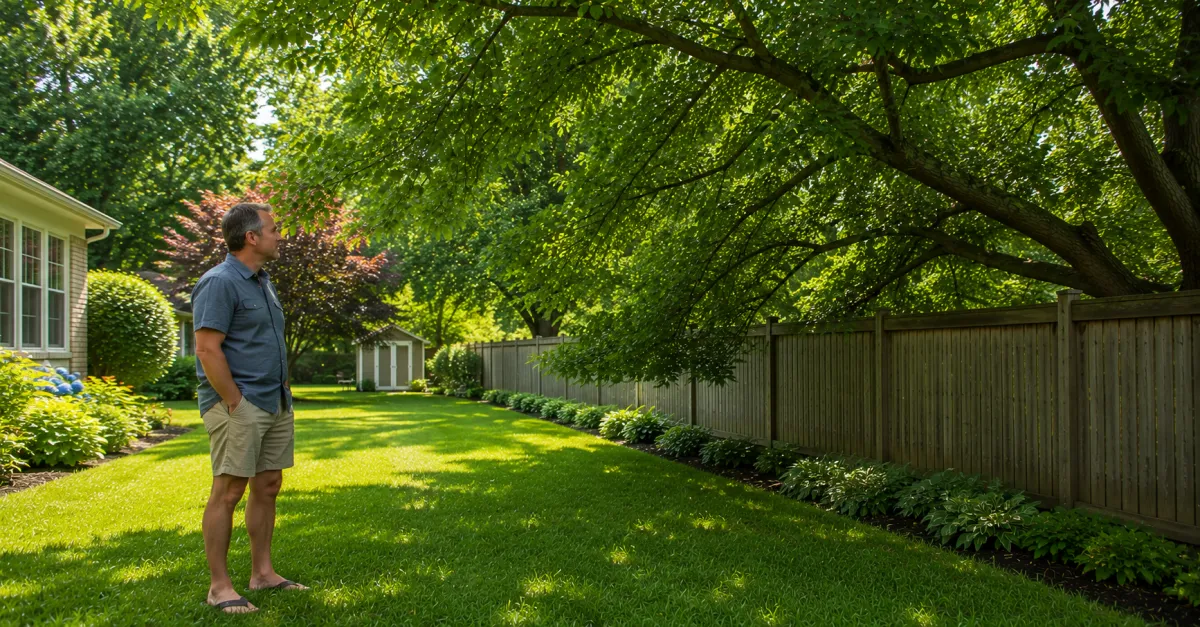
A tree that was fine in April can be a genuine point of contention by July. Summer growth is relentless, and branches that were just barely on your side of the fence in spring may be well into your neighbor’s airspace by now — or dropping leaves, seedpods, or debris onto their roof, car, or garden.
These situations are more common than most people realize, and they can be genuinely awkward. Nobody wants a tree to turn into a neighbor problem. But knowing where you actually stand — legally and practically — makes it much easier to handle.
The Basic Rule in Tennessee
In Tennessee, ownership of a tree is determined by where the trunk sits. If the trunk is on your property, it’s your tree — even if branches and roots extend across the property line.
If the trunk sits directly on the property line, both neighbors are considered shared owners. Neither can remove the tree without the other’s consent.
What Your Neighbor Can (and Can’t) Do
Under Tennessee law, your neighbor has the right to trim branches and roots that cross onto their property — but only up to the property line. They can do this at their own expense, without asking your permission. However, they cannot trim in a way that damages or kills the tree. If they do, they may be liable for the tree’s value.
So if a branch from your tree is hanging over their yard, they can cut it back to the property line. That’s legal. What they can’t do is climb into your tree or remove branches on your side.
When You May Be Responsible
Here’s where it gets more serious. Tennessee courts follow what’s known as the Hawaii Rule for tree nuisance cases: your tree is not a legal nuisance just because it drops leaves, casts shade, or sends a few roots across the line. Normal tree behavior doesn’t create liability.
However, if your tree causes actual harm or poses an imminent threat of actual harm to neighboring property, you may be held responsible. This includes:
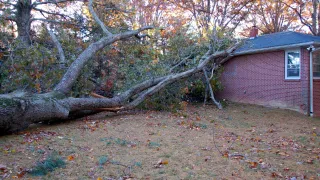
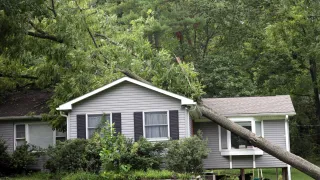
Branches that fall and damage a neighbor’s structure
Roots that crack a foundation, invade a sewer line, or damage a driveway
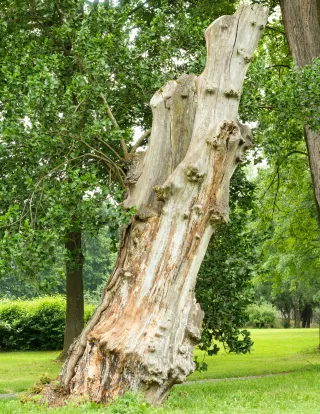
A visibly dead or hazardous tree that you knew about and didn’t address — and that then causes damage
That last point is important. Tennessee courts have held that a property owner who ignores obvious warning signs of a hazardous tree may bear responsibility if that tree later causes damage. A healthy tree that falls during a storm is generally considered an act of nature. A dead, diseased, or visibly failing tree that falls on something is a different legal situation.
The Practical Side
Knowing the law is useful. But the more common situation isn’t a lawsuit — it’s just an awkward conversation with a neighbor, or a slow buildup of resentment over a tree that’s been encroaching for years.
A few things that tend to go better than expected:
Proactive communication. If you know your tree is sending branches or roots into a neighbor’s yard, acknowledging it before they have to bring it up goes a long way. Most neighbors appreciate being treated like reasonable people.
Addressing genuinely hazardous trees. If you have a dead or visibly declining tree near a property line, removing it is the right call both for your neighbor’s peace of mind and for your own protection. This is one of the cleaner situations — there’s not usually much debate about whether a dead tree should come down.
Getting a professional opinion when it’s genuinely unclear. If there’s a question about whether a tree is hazardous, whether it’s causing real damage, or whether it’s structurally compromised enough to be a concern, having a professional take a look gives you something concrete to work from — rather than going back and forth with a neighbor about what each of you thinks you’re seeing.
Summer Is the Right Time to Look at This
Summer growth makes these situations visible in a way they sometimes aren’t in other seasons. If something has been building with a tree near your property line, now is a reasonable time to assess it, get a professional look if needed, and have the conversation if it needs to happen.
If you’d like a straightforward assessment of a tree near a property line — what’s going on with it, whether there’s cause for concern, and what the options are — give us a call or text at (423) 443-4533.