Trees and Home Insurance: What Chattanooga Homeowners Should Know
Nobody thinks much about insurance until they need it. And when a tree comes down — on your roof, your fence, your neighbor's car — suddenly you're trying to figure out what's covered, what's not, and what you're supposed to do next.
I'm not an insurance agent, and every policy is different. But after years of helping homeowners deal with tree damage, I've learned a few things about how this process usually works. This isn't legal or financial advice — it's just practical information to help you ask the right questions and avoid common surprises.
The Basics: What's Typically Covered
Most standard homeowner's insurance policies cover tree damage, but there are some important distinctions.
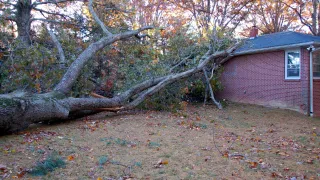
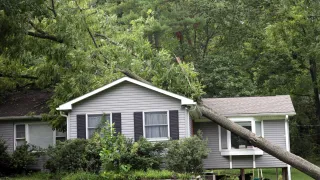
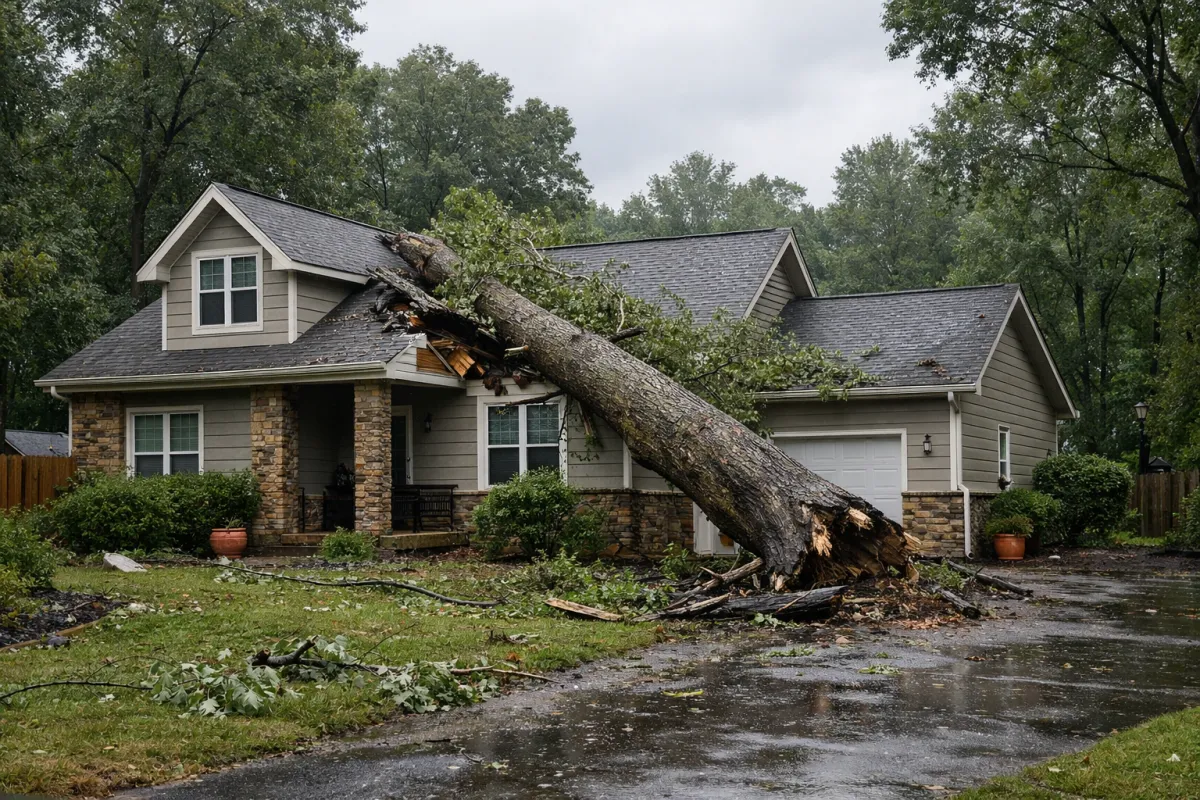
Damage to your home or other structures — If a tree falls on your house, garage, shed, or fence, that's usually covered under your dwelling or "other structures" coverage. This includes the cost to repair the damage and, in most cases, the cost to remove the tree that caused it.
Damage to your car — This isn't covered by your homeowner's policy. It falls under the comprehensive portion of your auto insurance. If a tree lands on your vehicle, you'll file that claim separately with your auto insurer.
Tree removal when there's no structural damage — Here's where it gets tricky. If a tree falls in your yard but doesn't hit anything — just lands on your lawn — most policies won't cover the removal. The tree didn't damage a covered structure, so there's no claim. You're responsible for getting it cleaned up. One exception: some policies will cover removal if the fallen tree is blocking your driveway or a ramp used for handicapped access.
Debris removal limits — Even when tree removal is covered, there's often a cap on how much the policy will pay — sometimes $500 or $1,000 per tree, with an overall limit for the claim. If removal costs more than that, you're covering the difference.
The tree itself — Some policies include limited coverage for replacing trees, shrubs, or landscaping damaged by covered events. But the limits are usually pretty low — often capped at around 5% of your dwelling coverage, with a per-tree maximum. Don't expect to fully replace a mature oak through an insurance claim.
Again, every policy is different. These are general patterns, not guarantees. Pull out your policy or call your agent to understand what you're actually working with.
The Deductible Detail Most People Miss
Here's something that catches a lot of homeowners off guard: your deductible might not be what you think it is.
Most people know their standard deductible — maybe $1,000 or $2,500. That's what you'd pay out of pocket before insurance kicks in for a typical claim.
But many policies in our region have a separate named storm deductible that applies when damage occurs during a hurricane, tropical storm, or other officially named weather event. This deductible isn't a flat dollar amount — it's calculated as a percentage of your home's insured value. Common percentages are 1%, 2%, or even 5%.
Here's what that looks like in practice:
If your home is insured for $300,000 and you have a 2% named storm deductible, you'd pay $6,000 out of pocket before coverage kicks in — not your usual $1,000.
That's a significant difference, especially if the damage is moderate. A tree through your fence and part of your roof might cost $8,000 to repair. With a standard $1,000 deductible, insurance covers $7,000. With a 2% named storm deductible on a $300,000 home, insurance only covers $2,000.
This doesn't mean named storm deductibles are bad — they often come with lower premiums. But it's worth knowing what yours is before a storm hits, so you're not surprised when you file a claim.
Check your policy declarations page or call your agent. If you see language about "hurricane deductible," "named storm deductible," or "wind/hail deductible," ask exactly how it's calculated and when it applies.
What Affects Whether a Claim Gets Paid
Insurance covers damage from sudden, unexpected events — what they call "covered perils." Things like windstorms, lightning, hail, and the weight of ice or snow typically qualify.
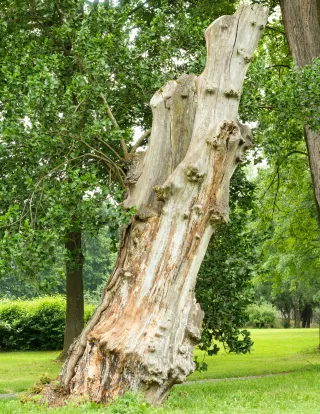
What usually doesn't qualify: damage that results from neglect, poor maintenance, or a tree that was already dead or dying.
This is where things can get complicated. If a healthy tree comes down in a storm, that's generally a covered event. But if a dead tree that's been sitting in your yard for two years finally falls over, the insurance company might argue that it was a maintenance issue — something you should have dealt with before it became a problem.
I've seen claims denied because there was evidence the tree was already in decline. Fungal growth, visible decay, dead limbs that had been there for a while — these things can work against you.
This doesn't mean you need to panic about every imperfect tree in your yard. But it does mean that taking care of obvious problems — removing dead trees, trimming hazardous limbs — isn't just good for your property. It also protects you if something does happen and you need to file a claim.
Documenting Damage the Right Way
If a tree does cause damage, how you document it matters.
Before you move anything, take photos. Lots of them. Wide shots showing the overall scene, close-ups of the damage, pictures of where the tree broke and where it landed. If the tree hit your house, photograph the impact point, any visible structural damage, and the interior if there's damage inside.
Document the tree itself. Show where it fell from, the condition of the trunk and root system, and any visible signs of what caused it to fail. This helps establish that it was a sudden event rather than gradual decline.
Write down what happened. Date, time, weather conditions, what you heard or saw. This seems like overkill, but memories get fuzzy. Having notes helps when you're talking to adjusters days or weeks later.
Keep receipts for emergency repairs. If you need to tarp a roof, board up a window, or take other immediate steps to prevent further damage, save those receipts. Most policies cover reasonable emergency repairs, but you'll need documentation.
Get repair estimates in writing. Before the insurance adjuster comes out, it's helpful to have your own sense of what repairs will cost. Get written estimates from contractors — roofing, fencing, whatever applies.
Filing a Claim vs. Paying Out of Pocket
Just because you can file a claim doesn't always mean you should.
Insurance claims can affect your premiums. If you file multiple claims in a short period, your rates might go up — or in some cases, your policy might not get renewed. For smaller amounts of damage, it sometimes makes more financial sense to handle it yourself.
Here's a rough way to think about it:
Consider filing a claim when:
The damage is significant — structural damage to your home, major repairs needed
The cost clearly exceeds your deductible by a meaningful amount
You're not sure whether the damage is worse than it looks (water intrusion, structural issues)
Consider paying out of pocket when:
The damage is minor and the cost is close to your deductible
You've filed other claims recently and want to protect your rates
It's a simple cleanup with no structural damage involved
There's no universal rule here. It depends on your deductible (including whether a named storm deductible applies), your policy, your claims history, and the specifics of the situation. When in doubt, you can call your agent to ask questions without formally filing a claim — just be aware that some companies log these calls.
When Your Tree Damages Someone Else's Property
This is a common concern: what happens if your tree falls on your neighbor's house, car, or fence?
Generally speaking, each person's insurance covers their own property. If your tree falls on your neighbor's roof, they would file a claim with their homeowner's insurance, not yours. The same applies in reverse — if their tree damages your property, you file with your own insurer.
The exception is if negligence is involved. If your neighbor asked you repeatedly to remove a dead tree that was clearly hazardous, and you ignored them, and then it fell on their house — that could open the door to liability. But in most normal situations, where a healthy tree fails in a storm, each party handles their own damage.
This is another reason to deal with obviously problematic trees. Not because you're automatically liable if they fall, but because it removes any question about whether you should have known better.
How Preventive Maintenance Helps
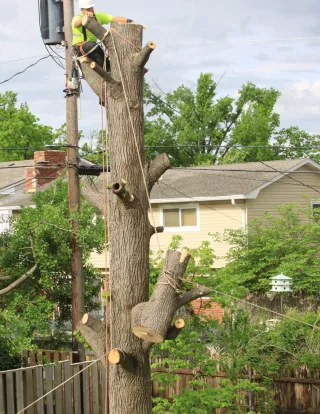
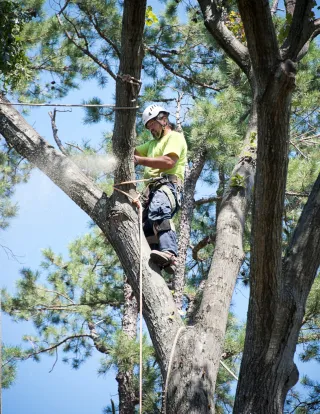
I'll be honest — part of my job is removing trees and trimming limbs, so I have a vested interest in encouraging people to maintain their trees. But setting that aside, there are real reasons why staying on top of tree care protects you financially.
You catch problems before they become emergencies. A dead limb removed in January is a few hundred dollars. That same limb through your roof in March is a major insurance claim, a deductible, and weeks of hassle.
You have documentation that you've maintained your property. If you ever do have a claim, being able to show that you've had regular assessments and addressed known issues works in your favor.
You avoid coverage disputes. When there's no question that a tree was healthy and well-maintained, there's less room for an insurer to push back on a claim.
This doesn't mean you need to spend thousands of dollars on tree work you don't need. It just means that when a professional tells you something is a hazard, it's worth taking seriously — for your safety, your property, and your coverage.
The Bottom Line
Trees and insurance aren't something most people think about until there's a problem. But understanding the basics now — what's covered, how deductibles really work, how to document damage, when to file — can make a stressful situation a lot more manageable.
If you're not sure what's going on with your trees, or you've got one that's been worrying you, we're happy to take a look. Sometimes peace of mind is just knowing where you stand.
Give us a call or text at (423) 443-4533. We'll give you an honest assessment — and if there's something your insurance company should know about, we can help you document it.