Clearing a Fence Line: What Has to Happen Before the Fence Goes In
Maybe it's a pasture you want to put a few animals on. Maybe it's the dog, who has figured out that the back of the property is wide open. Or maybe you'd just like some privacy on the side that faces the road.
Whatever the reason, you've walked out to where the fence will go, and there's a problem. The line is grown up in saplings, brush, and vines. Somewhere in there may be what's left of an old fence.
That's a common place to get stuck, because it isn't obvious where clearing ends and fencing begins. Maybe a fence company already came out, looked at the brush, and said to call back once it's cleared.
Fence line clearing is the step that comes first, and it's the one people know the least about. Late summer is when a fence line looks its worst. A whole season of growth has filled in every gap, and it's all in full leaf. It's also when a lot of people start planning the outdoor projects they put off in the heat. So here's what has to happen before the first post goes in.
Why a Fence Line Has to Be Cleared First
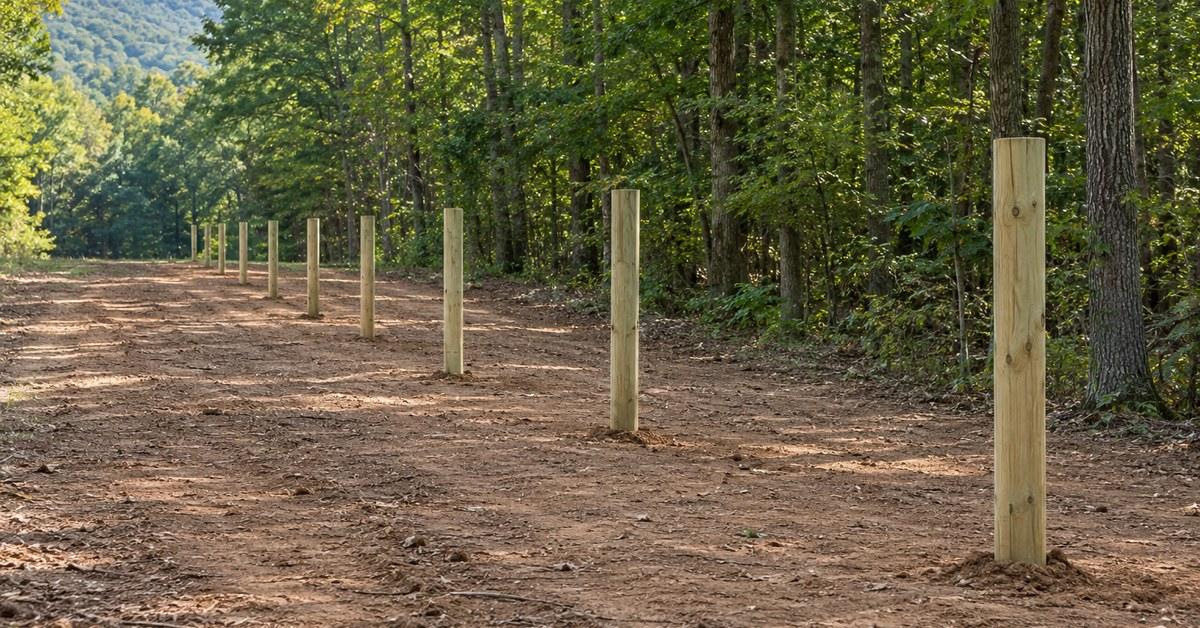
A fence is only as straight as the line it's built on. To set posts in a straight run, you have to be able to see from one end to the other. You also have to get along the line with materials and equipment. Brush and saplings stop both.
There's a longer-term reason too. Anything left growing tight against a new fence keeps growing. A sapling pushes on the boards or the wire as its trunk thickens. Vines climb, add weight, and hold moisture against the fence. Fence line clearing gives the new fence room to start out right.
How Much Gets Cleared Depends on the Fence
The job might be a strip along one side of the yard. It might be the edge of several acres. Both are land clearing, and both start the same way, by walking the line.
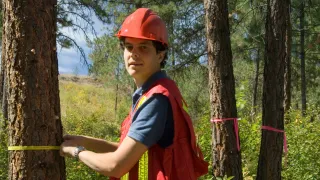
When David walks it with you, he's looking at:
- What's growing there: brush, saplings, vines, and any bigger trees
- What you want to keep, like a shade tree or the trees along the road
- Where the property lines are
- Slopes, wet spots, and how equipment gets in
- What the fence is for, because a pasture fence and a privacy fence beside the patio are different jobs
There's no single right width for a cleared fence line. It depends on the fence, the ground, and what's growing beside it.
Not every tree near the line has to go, either. Sometimes the fence can run past a good tree and leave it standing. Sometimes a tree hanging over the line is better out now than on top of the new fence later. You'll know which is which, and what's staying, before anything is cut.
Confirm Where the Property Line Runs
If the fence is going on or near your boundary, it's worth confirming exactly where that boundary is before anything gets cleared. An old fence, a row of trees, or "everybody always said it was there" isn't always where the line really runs.
A survey or the plat for your property is the place to start. If you can find the corner markers, even better. And if a neighbor is on the other side, a conversation before the saws start usually goes better than one after.
For trees growing on or near the line, we've written about overgrown trees and property lines and who's responsible for what.
What Comes Out of a Fence Line
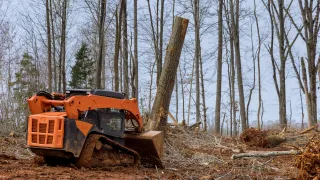
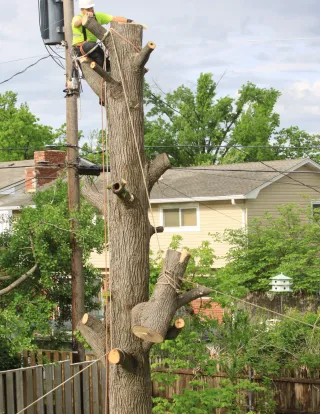
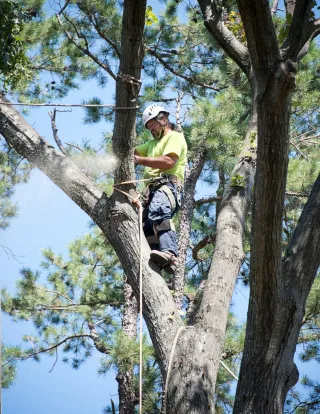
Brush and undergrowth are cut and cleared. Saplings come out. Bigger trees come down, in one piece where there's room and in sections where there isn't.
Stumps are their own question. Along a fence line, they matter most where one sits right where a post needs to go. They can be ground out as part of the clearing if you want them gone, or left where they won't be in the way. That part is stump grinding.
Where All the Brush Goes
A fence line doesn't look like much until it's cut. Then it's a pile, and on a long line it's several.
Most of it is loaded into the trailer and hauled off. Got woods or a back corner where you'd rather it stay? Say so before we start, and we'll talk through what makes sense. Same if you'd like to keep some of the wood.
Where it all goes is settled before the first load leaves, and it's part of what's quoted. Nothing about the pile turns into a surprise at the end.
Call 811 Before Any Post Holes Are Dug
Post holes count as digging, and digging is where buried utility lines come into it. Before the first hole goes in, the utility locate gets called. On the Georgia side that's Georgia 811. On the Tennessee side it's Tennessee 811. Either way, the number is 811, and the service is free.
The rules aren't identical on both sides of the state line:
- Tennessee 811 says anyone doing excavation calls first, hand digging and augering included, with at least three working days' notice.
- Georgia 811 says a small hand-dug project isn't required to call under Georgia law, but encourages it anyway. Installing a fence is on its list of jobs the free service covers.
One thing a locate won't find is a line somebody ran on their own. Think of power run out to a shed, or a wire to a light at the back of the yard that nobody remembers putting in. If you know of a line like that, or even suspect one, mention it.
Clearing and Building Can Be One Job
We can clear the line, then build the fence. David can look at both when he comes out, so the brush and the fence aren't two separate projects waiting on each other.
We build new fences in chain link, wood, and metal, and we repair fences too. Not sure which kind you want? Tell David what the fence needs to keep in, or keep out, and he'll talk it through with you.
And if somebody else is building your fence and all you need is the line cleared, that's a normal job for us too.
Getting a Look at Your Fence Line
You don't need it all figured out before you call. How wide to clear, which trees stay, and what kind of fence to put in all get sorted out on the walk.
We clear year-round. Dry ground is easier on equipment than wet ground. And while everything is still in full leaf, you can see the whole of what's out there.
If you've got a fence in mind and a line that's gotten away from you, we're glad to come walk it with you. Estimates are free. Call or text (423) 443-4533, or request a quote online.
Sources
- Georgia 811, homeowner information and free locate service: https://www.georgia811.com/
- Tennessee 811, calling requirements and notice: https://www.tenn811.com/